

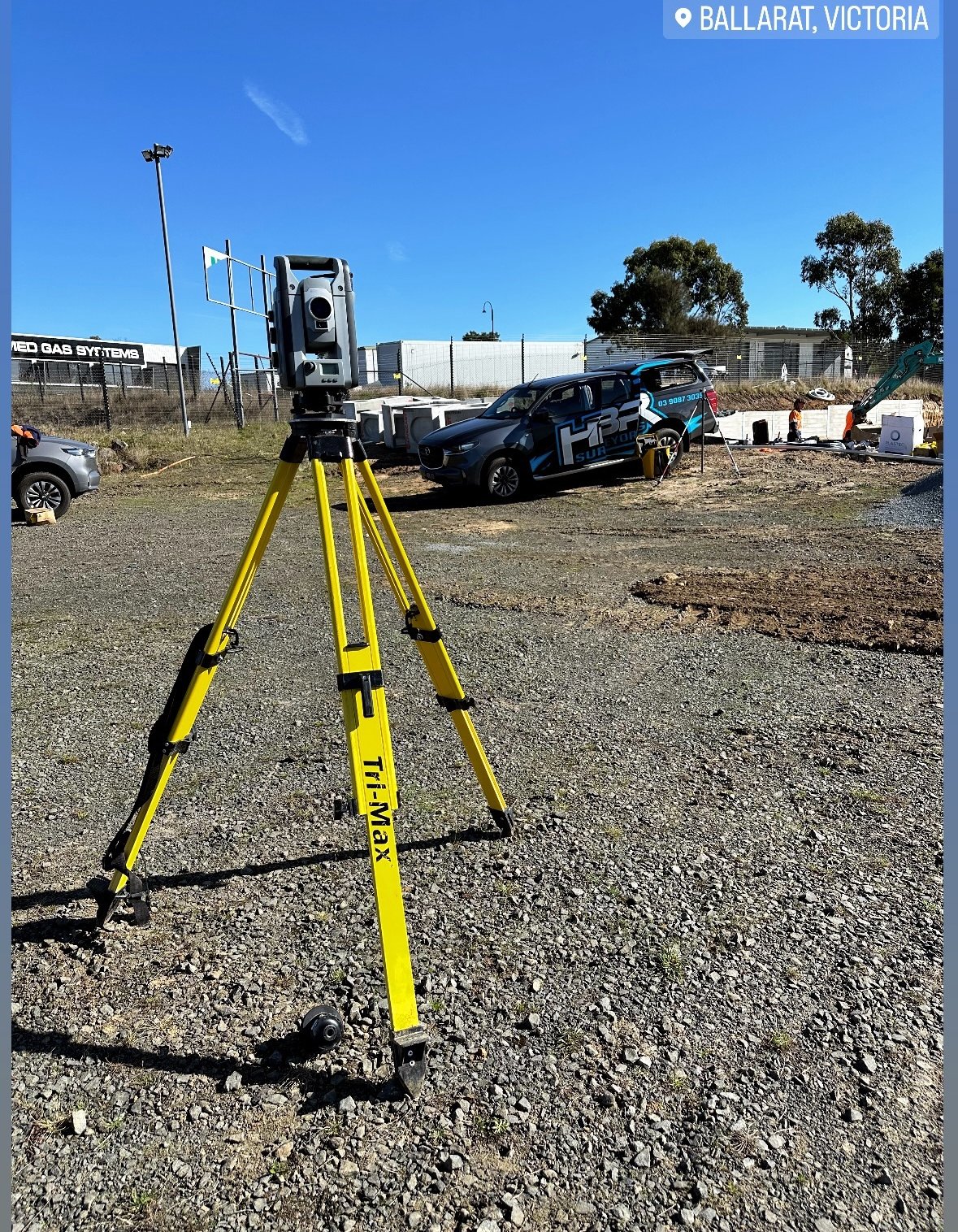

Managing a Survey Team on Large-Scale Projects: Best Practices
In survey engineering, managing a large-scale project can be both challenging and rewarding. From coordinating team members to ensuring the accuracy of field data, effective management is key to the success of any project. When working on complex projects with multiple surveyors, tasks, and technologies, efficient team management becomes even more critical. In this blog post, we’ll explore some of the best practices for managing a survey team on large-scale projects and ensuring smooth project execution.
1. Clearly Define Roles and Responsibilities
One of the first steps in managing a large-scale survey project is to define the roles and responsibilities of each team member. Survey projects often involve several key positions, such as:
- Field Surveyors: Responsible for data collection and site measurements.
- CAD Technicians: Handle the drafting and mapping of survey data.
- Project Managers: Oversee the entire project and ensure that deliverables meet deadlines and client expectations.
- Geospatial Analysts: Manage the integration of data from GPS, LiDAR, and other technologies.
By assigning specific roles and outlining each person’s responsibilities, you can ensure that all aspects of the project are covered without overlap or confusion. This clarity fosters accountability and helps keep the project on track.
2. Embrace Technology for Efficiency
Modern surveying technologies like GPS, drones, and total stations are essential for handling large-scale projects. However, beyond field tools, team leaders should also use project management software to track progress, delegate tasks, and communicate effectively.
- Use platforms like Trimble Business Center or AutoCAD Civil 3D to centralize project data and ensure everyone has access to the latest versions of drawings, maps, and field data.
- Implement cloud-based project management tools like Asana, Trello, or Microsoft Teams to manage tasks, timelines, and team collaboration in real time.
This combination of survey-specific software and team management platforms will streamline the workflow, enhance communication, and minimize errors.
3. Establish a Clear Communication Plan
Clear communication is crucial for any large-scale project, particularly when team members are working on different aspects of the project in the field and the office. Regular communication ensures that everyone is on the same page, and issues are addressed promptly.
- Daily or weekly meetings: Depending on the project timeline, schedule regular check-ins to discuss progress, address challenges, and ensure that project objectives are being met.
- Instant communication: Encourage team members to use platforms like WhatsApp or Slack for instant communication regarding urgent issues, especially when working in different locations.
Effective communication ensures that field data is accurately relayed to the office team and that changes in project scope are clearly communicated to all stakeholders.
4. Prioritize Data Accuracy and Quality Control
In large-scale projects, accuracy is everything. To ensure that your survey data is precise and reliable, establish strict quality control procedures.
- Standardize data collection methods: Make sure all field surveyors are following the same protocols for data collection, whether they are using GPS, total stations, or drones. This reduces the chances of discrepancies when compiling the data.
- Regular data reviews: As the project progresses, conduct regular reviews of the collected data to identify and resolve errors early. Any mistakes caught during this phase are far easier (and cheaper) to fix than those discovered at the end of the project.
- Utilize site calibration: Performing site calibration ensures that your equipment and software are synchronized with local site conditions, enhancing data accuracy throughout the project.
By maintaining a strong focus on data quality, you can ensure the success of your project and avoid costly rework later.
5. Foster a Collaborative Team Environment
A large-scale project involves many moving parts, and a strong sense of team collaboration is essential for its smooth execution. Encourage open communication, collaboration, and the sharing of ideas among all team members to ensure that the project benefits from everyone’s expertise.
- Cross-training: Promote cross-training within your team so that members can step in and assist with other roles when needed. For example, a field surveyor might learn how to process data in Trimble Business Center or assist with drafting in AutoCAD.
- Encourage problem-solving: Foster an environment where team members feel comfortable sharing potential solutions to problems they encounter on the job.
A collaborative approach helps boost team morale and creates a more flexible, efficient team that can handle unexpected challenges as they arise.
6. Keep an Eye on Project Timelines and Budgets
Large-scale projects often have tight deadlines and strict budgets, so it’s essential to manage both closely. As the project manager, it’s your responsibility to ensure that the project remains within the budget and schedule.
- Track progress: Use project management tools to monitor the completion of tasks and ensure that milestones are met on time.
- Stay on top of costs: Keep an eye on expenses related to equipment, labor, and materials. Unexpected costs can throw a project off course, so plan for contingencies.
Conclusion
Managing a survey team on large-scale projects requires a balance of clear communication, technology integration, and strong leadership. By defining roles, embracing technology, fostering collaboration, and ensuring data accuracy, you can effectively lead your team to success. With these best practices in place, your survey team will be well-equipped to handle complex projects, deliver high-quality results, and meet client expectations.