

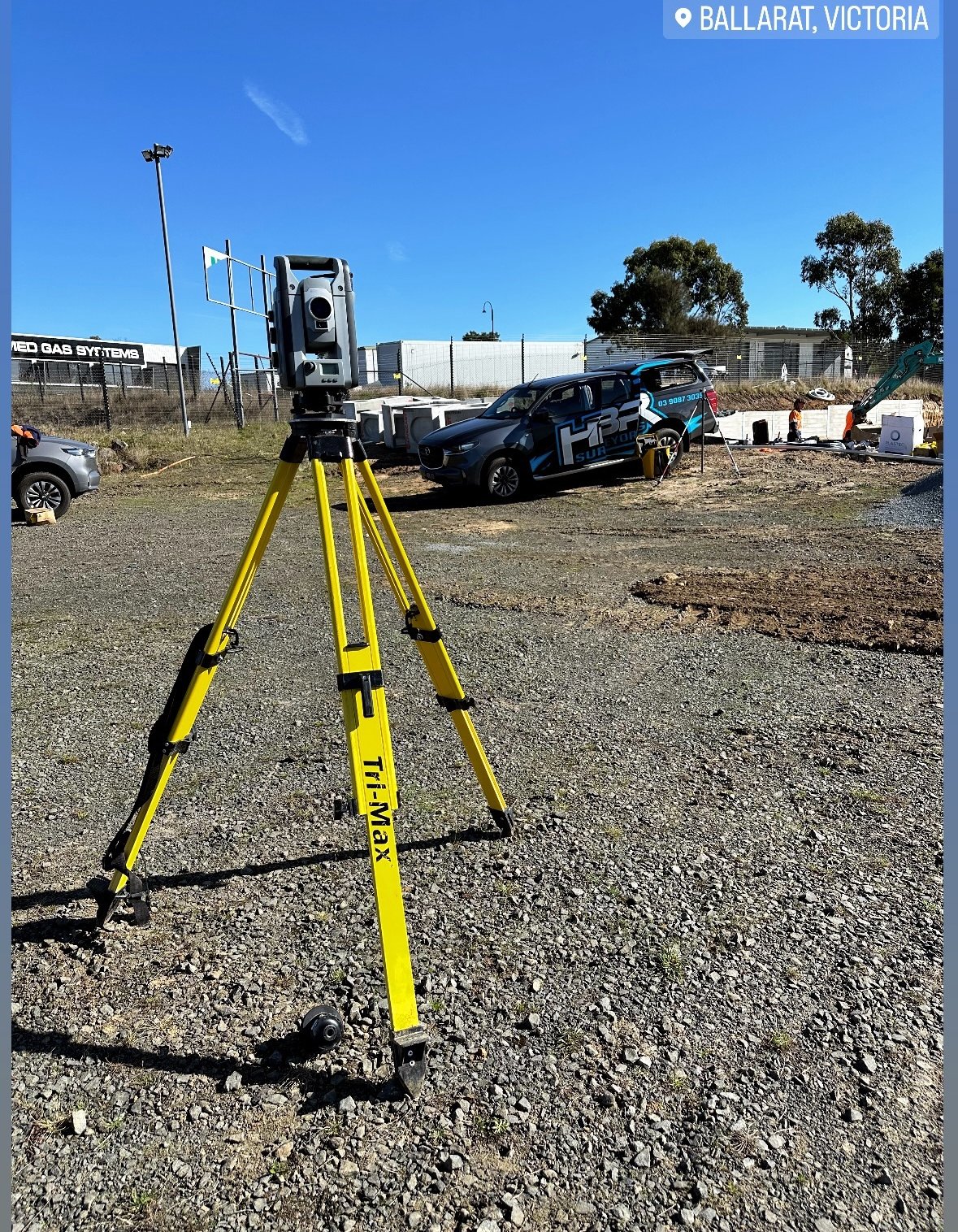

How Survey Engineers Can Adapt to Environmental Changes and Sustainability Goals
As the world faces increasing environmental challenges, the role of survey engineers has become more crucial than ever. Climate change, deforestation, and urbanization are just a few of the factors affecting landscapes and ecosystems, creating a need for more sustainable and responsible land development. Survey engineers are uniquely positioned to contribute to these goals by integrating sustainability practices into their work and adapting to environmental changes. In this blog post, we’ll explore how survey engineers can support sustainability and how they can adapt to a changing world.
The Growing Importance of Sustainability in Surveying
Sustainability has become a major focus in construction, land management, and urban planning. Governments and organizations worldwide are setting ambitious sustainability targets, and survey engineers play a key role in ensuring these goals are met. By providing accurate data and insights, survey engineers help design infrastructure that minimizes environmental impact, preserves natural resources, and complies with regulatory requirements.
Survey engineers are also at the forefront of monitoring environmental changes, such as rising sea levels, shifting coastlines, and the degradation of natural habitats. Their data is used to plan climate-resilient cities and protect ecosystems from damage.
Ways Survey Engineers Can Support Sustainability Goals
- Use of Eco-Friendly Technologies:
Survey engineers can incorporate drones, LiDAR, and satellite imagery into their workflow. These tools reduce the need for on-site visits, lowering the carbon footprint associated with traditional land surveying. They also allow for more efficient mapping of difficult-to-reach areas, minimizing disturbance to the environment. - Conservation-Focused Surveys:
Surveyors can work on projects focused on conservation and land restoration. For example, they can assist in mapping wildlife corridors or monitoring deforestation to ensure that development projects align with sustainability goals. - Precision in Land Use:
Accurate surveys allow for optimal land use, reducing waste and unnecessary environmental impact. For instance, precise measurements help ensure that land is used efficiently for renewable energy projects, like solar farms or wind turbines, which are crucial for achieving sustainability targets. - Promoting Sustainable Urban Development:
Urban planners rely on survey engineers to design cities that are sustainable and resilient to environmental changes. Survey engineers provide the data needed to plan green spaces, smart infrastructure, and sustainable water management systems, all of which are essential for environmentally friendly urban growth.
Adapting to Environmental Changes
As environmental changes accelerate, survey engineers must also adapt their methods and tools. Here’s how they can stay ahead:
- Climate-Resilient Infrastructure:
Survey engineers should focus on creating climate-resilient designs, accounting for potential flooding, rising sea levels, or shifts in terrain. These designs must take into account the long-term impact of climate change on infrastructure. - GIS for Environmental Monitoring:
Geographic Information Systems (GIS) are invaluable for tracking environmental changes over time. Survey engineers can leverage GIS to monitor deforestation, erosion, and natural disasters, helping to inform future development and preservation efforts. - Sustainability Certifications:
Engineers can pursue certifications in sustainable design and green building to stay aligned with industry trends. Organizations such as LEED (Leadership in Energy and Environmental Design) offer programs that help professionals integrate sustainability into their projects.
Conclusion
The role of survey engineers is evolving as the world faces growing environmental challenges. By embracing sustainable practices, using innovative technologies, and adapting to climate-related changes, survey engineers can play a vital role in building a more sustainable and resilient future. As sustainability goals become more prominent, the need for environmentally conscious survey engineers will continue to rise, creating exciting opportunities to contribute to a healthier planet.