

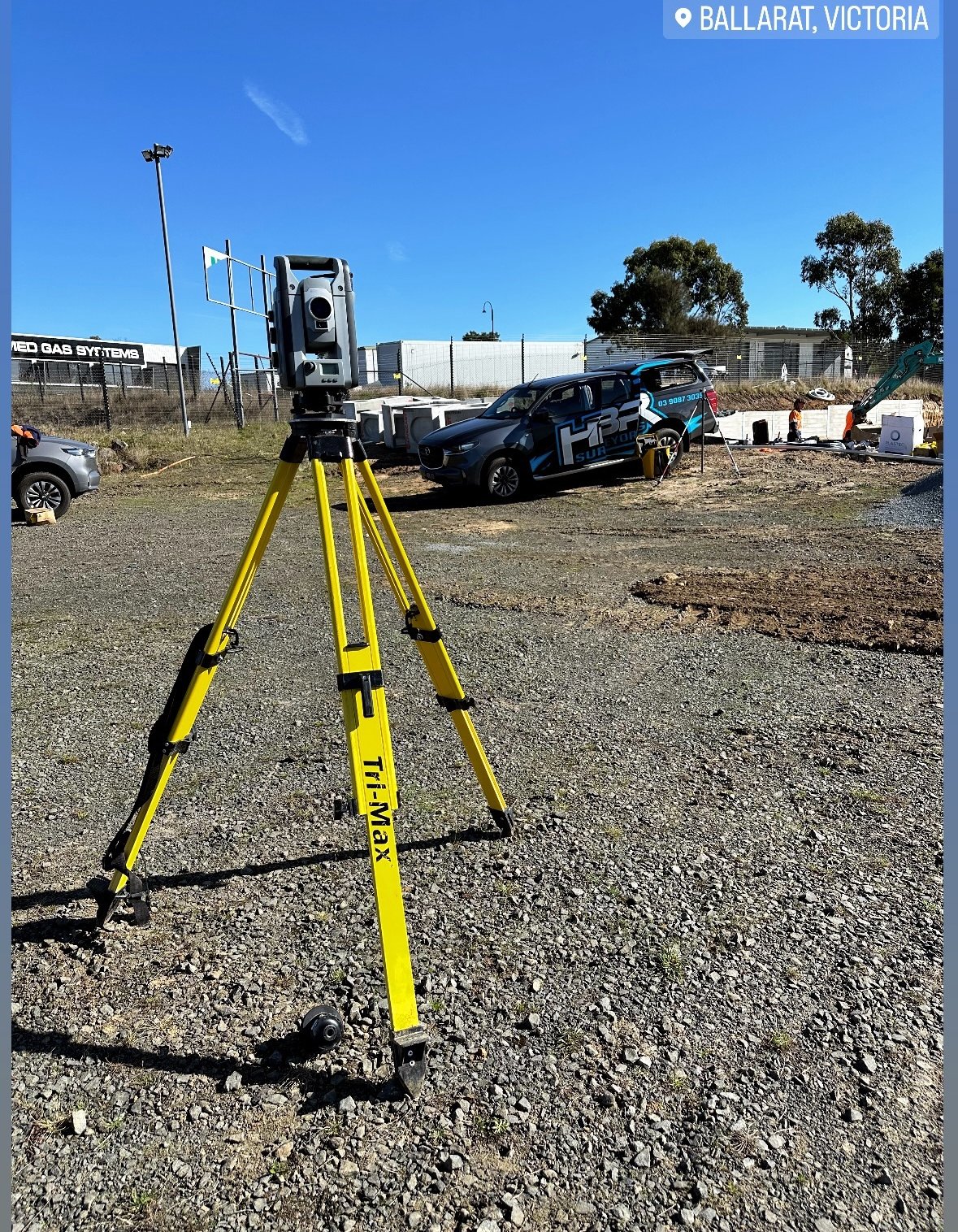

Understanding Adjustment Calculations in Surveying: Techniques and Applications
In the field of survey engineering, precision is crucial. Surveyors must ensure that their measurements are as accurate as possible, especially when working on large-scale projects or complex terrains. However, errors can still occur due to equipment limitations, environmental factors, or human mistakes. This is where adjustment calculations come into play. By using these techniques, survey engineers can minimize errors and improve the reliability of their data. In this post, we’ll explore the importance of adjustment calculations, the techniques involved, and their applications in modern surveying.
What Are Adjustment Calculations?
Adjustment calculations are mathematical methods used to correct and refine survey measurements. They are applied when a surveyor collects multiple sets of data that may contain slight inconsistencies or errors. These adjustments help improve the accuracy of the final results by distributing any errors across the data in a way that minimizes their impact.
The primary goal of adjustment calculations is to balance errors and ensure that the survey results are as close to the true values as possible. Without these calculations, even small measurement errors could lead to significant issues in a project, such as misaligned structures or incorrect boundary lines.
Key Techniques in Adjustment Calculations
There are several techniques commonly used in adjustment calculations:
- Least Squares Adjustment
The most widely used method in surveying, least squares adjustment, works by distributing errors across the entire dataset in such a way that the sum of the squared differences between observed and adjusted values is minimized. This technique helps provide the most statistically accurate estimate of the true values. - Bowditch Method (Compass Rule)
Commonly used for closed traverses, the Bowditch method adjusts measurements by distributing errors proportionally between the lengths and bearings of each traverse segment. This method is particularly useful when errors are small and systematic. - Transit Method
The transit method is another technique for adjusting traverse measurements. It focuses on distributing angular errors proportionally across the traverse, making it useful for situations where angular measurements are the primary source of error.
Applications of Adjustment Calculations in Surveying
Adjustment calculations are essential in a wide range of surveying applications. Some of the most common include:
- Traverse Adjustment
In traversing, surveyors collect measurements of angles and distances between points to create a network of connected lines. Adjustment calculations are applied to ensure that the closing error (the difference between the calculated and actual closure of the traverse) is minimized, providing more accurate results for mapping and boundary surveys. - Leveling Networks
Leveling surveys are used to determine the height differences between points. Adjustment calculations are crucial for leveling networks, ensuring that the differences between measured and calculated heights are distributed evenly, leading to more reliable elevation data. - Geodetic Surveys
For large-scale projects, such as national mapping or infrastructure development, geodetic surveys require highly accurate measurements over long distances. Adjustment calculations help correct for various errors in these surveys, ensuring that the data can be trusted for critical decision-making. - GPS Data Processing
When working with GPS measurements, adjustment calculations are used to account for errors caused by atmospheric conditions, satellite positioning, and receiver noise. By adjusting the collected data, survey engineers can obtain highly accurate coordinates for mapping and construction projects.
Conclusion
Adjustment calculations are an essential tool for improving the accuracy and reliability of survey data. Whether you’re working on a traverse, leveling network, or geodetic survey, these techniques help distribute errors and minimize their impact on your final results. By using methods such as least squares adjustment and the Bowditch method, survey engineers can ensure that their measurements meet the high standards required in the field. As surveying continues to evolve, mastering adjustment calculations will remain a vital skill for professionals seeking to deliver precise and accurate results.