


Survey Engineering vs. Civil Engineering: Which Career is Right for You?
Choosing between survey engineering and civil engineering can be a challenging decision for anyone interested in a career in the construction and infrastructure sectors. Both fields are integral to the development of land and urban spaces, but they differ in their focus, responsibilities, and the tools they use. In this post, we’ll explore the key differences between these two professions to help you decide which career path is right for you.
What is Survey Engineering?
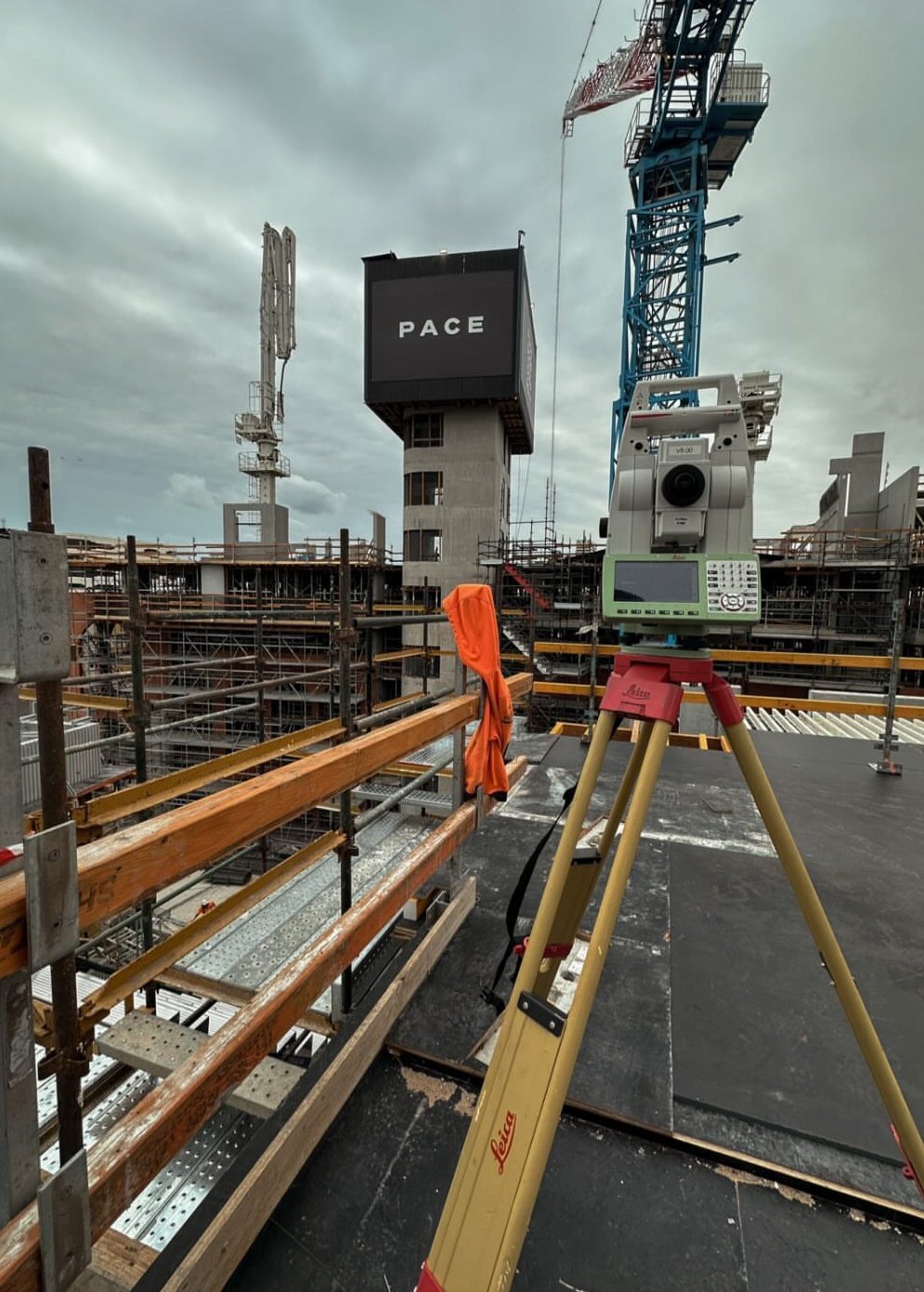
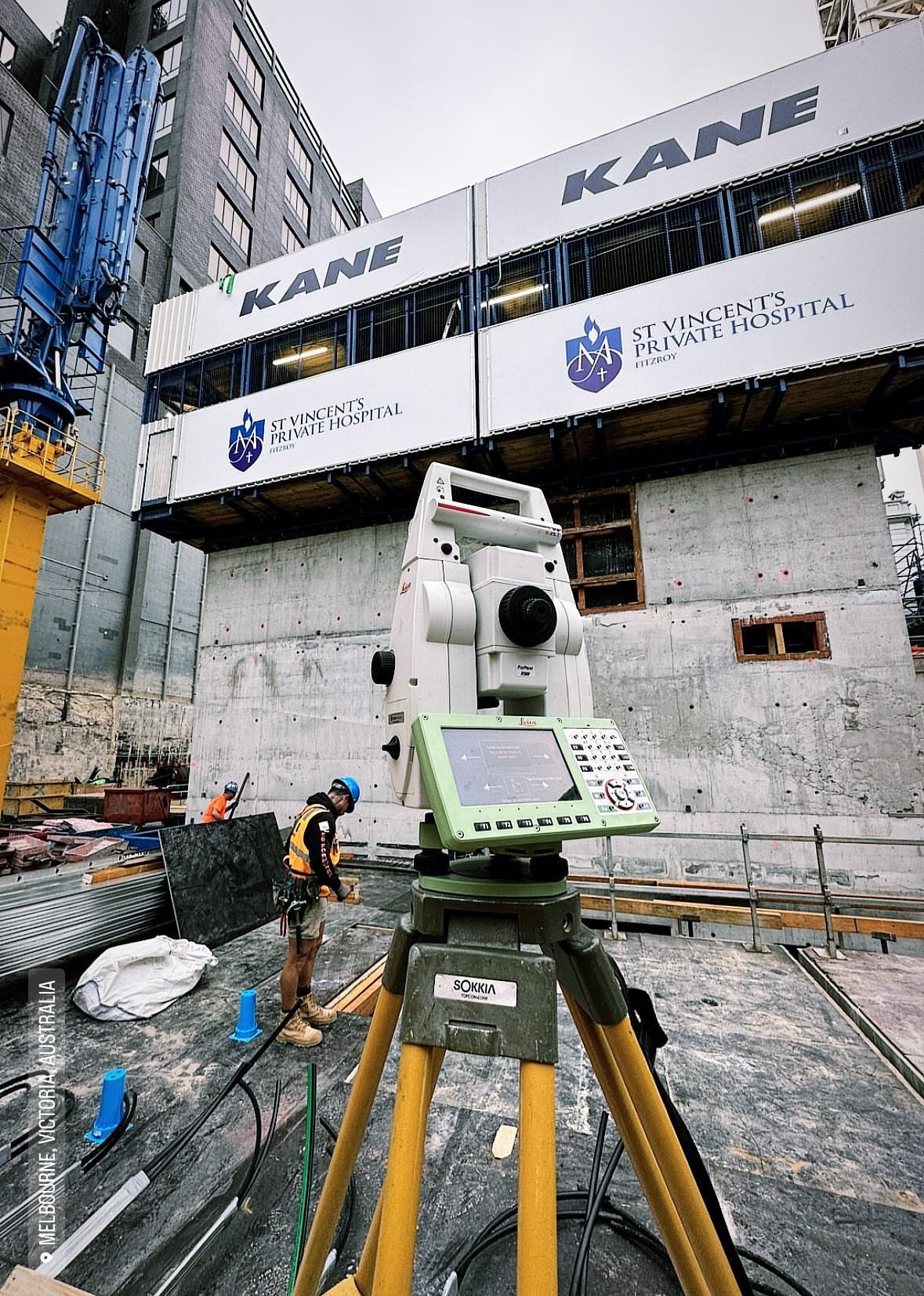
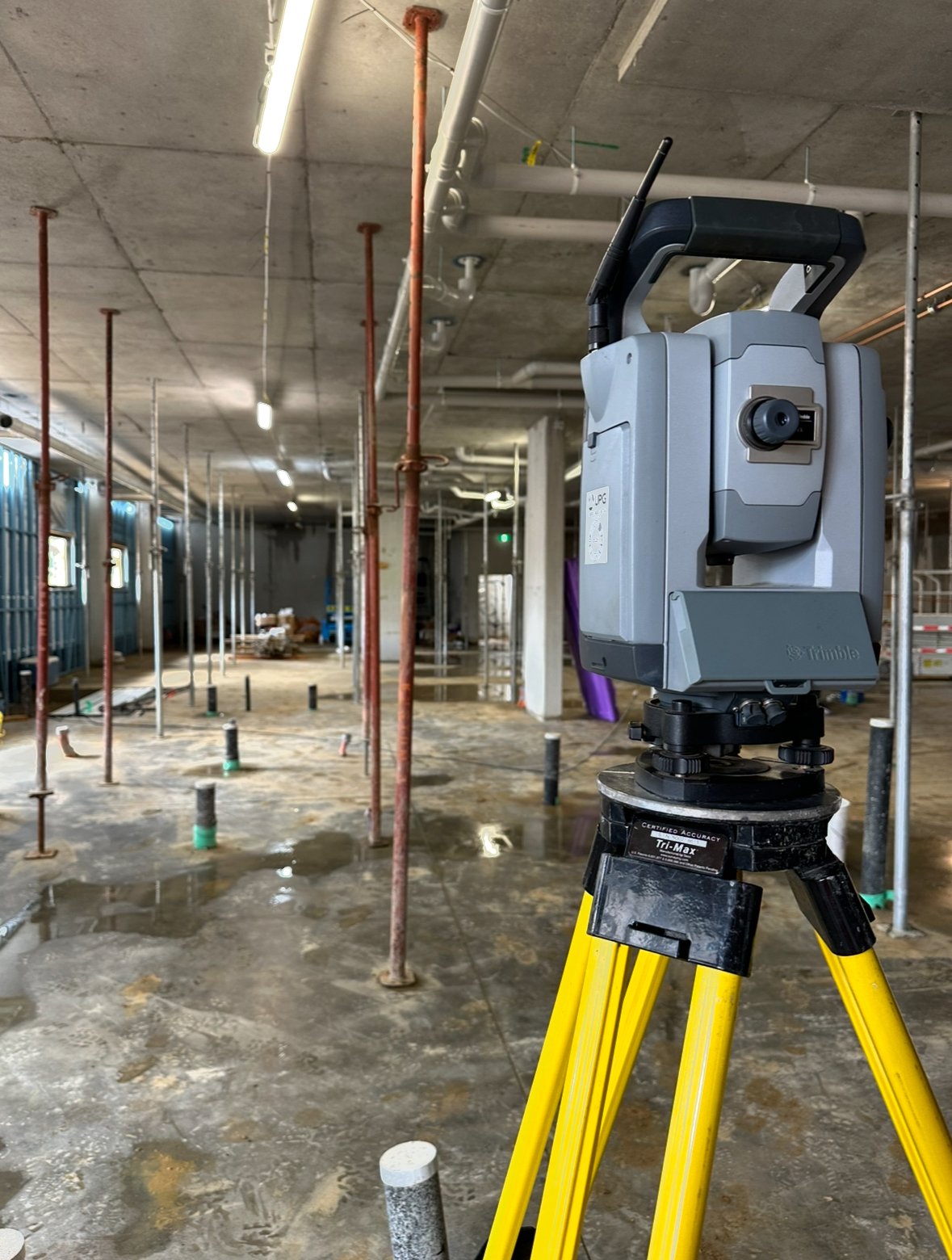
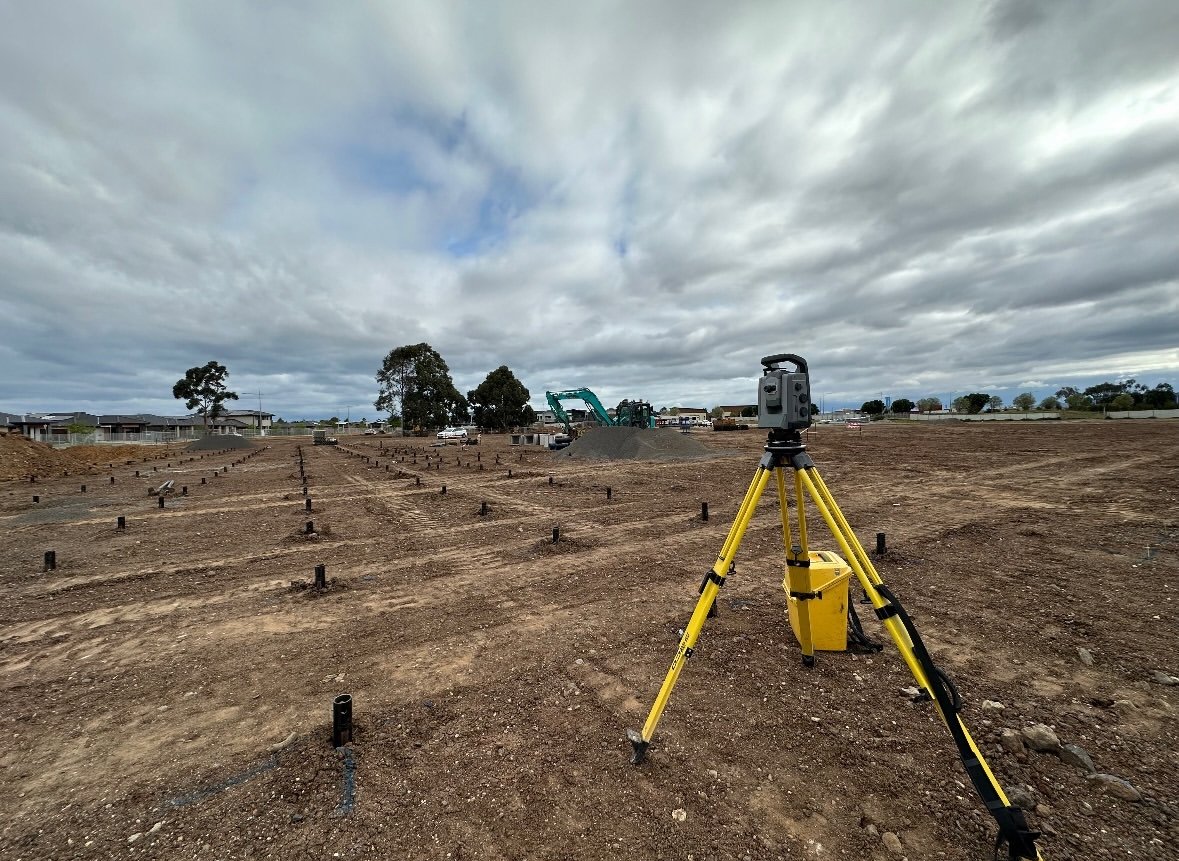
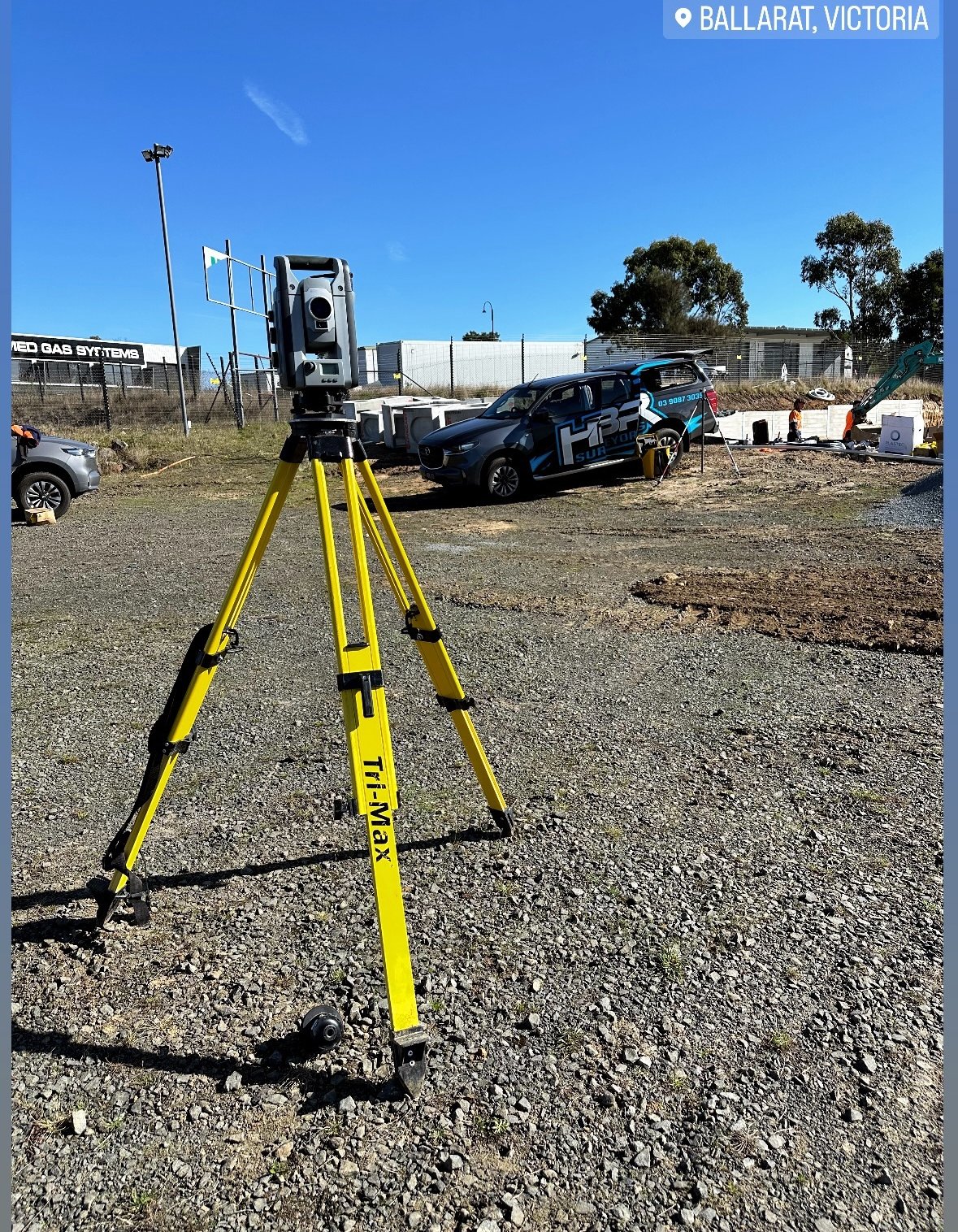
Survey engineering, also known as geomatics engineering, is a profession focused on measuring, mapping, and analyzing the Earth’s surface. Survey engineers use advanced technology such as GPS systems, drones, LiDAR, and total stations to capture detailed data about the land, which is then used for construction, land development, and environmental projects.
Key responsibilities of survey engineers include:
- Land boundary surveys: Defining property lines and legal boundaries.
- Topographic surveys: Mapping the physical features and contours of the land.
- Construction layout: Providing precise measurements and data for positioning structures and infrastructure.
- Geospatial data analysis: Using tools like GIS (Geographic Information Systems) to analyze spatial relationships.
Survey engineers work closely with civil engineers, architects, and developers to ensure that accurate measurements and data are available for planning and design.
What is Civil Engineering?
Civil engineering is one of the oldest and broadest engineering disciplines, focusing on the design, construction, and maintenance of infrastructure. Civil engineers are responsible for planning and overseeing the construction of roads, bridges, buildings, water systems, and other critical infrastructure that supports modern society.
Key responsibilities of civil engineers include:
- Designing infrastructure projects: Using the data provided by survey engineers to create detailed designs for bridges, roads, and other structures.
- Project management: Supervising the construction process to ensure that projects are completed on time and within budget.
- Ensuring safety and compliance: Ensuring that structures meet safety regulations, environmental laws, and building codes.
- Sustainable development: Planning projects that consider long-term sustainability and environmental impact.
Civil engineers often take the lead on large-scale construction projects, working closely with architects, survey engineers, and contractors to bring designs to life.
Key Differences Between Survey Engineering and Civil Engineering
- Focus:
Survey engineers focus on data collection and measurement, while civil engineers are primarily concerned with designing and building structures. - Tools and Technology:
Survey engineers rely on advanced measurement tools like GPS, drones, and LiDAR to gather accurate land data. Civil engineers, on the other hand, use design software like AutoCAD and Revit to create detailed plans and models. - Work Environment:
Survey engineers spend a lot of time outdoors, taking measurements on-site. Civil engineers, while also spending time on construction sites, typically split their time between office work and on-site project management. - Education and Skills:
Both careers require strong foundations in mathematics and physics, but civil engineering also emphasizes structural design and project management. Survey engineering focuses more on geospatial analysis and mapping technologies.
Which Career is Right for You?
If you’re interested in working outdoors, using advanced technology to gather data, and have a keen eye for detail, survey engineering might be the right fit for you. It’s a highly specialized field that’s essential for the early stages of construction projects.
On the other hand, if you’re passionate about designing and building infrastructure, solving complex problems, and managing large-scale projects, civil engineering offers a broader scope with opportunities to lead and innovate in construction.